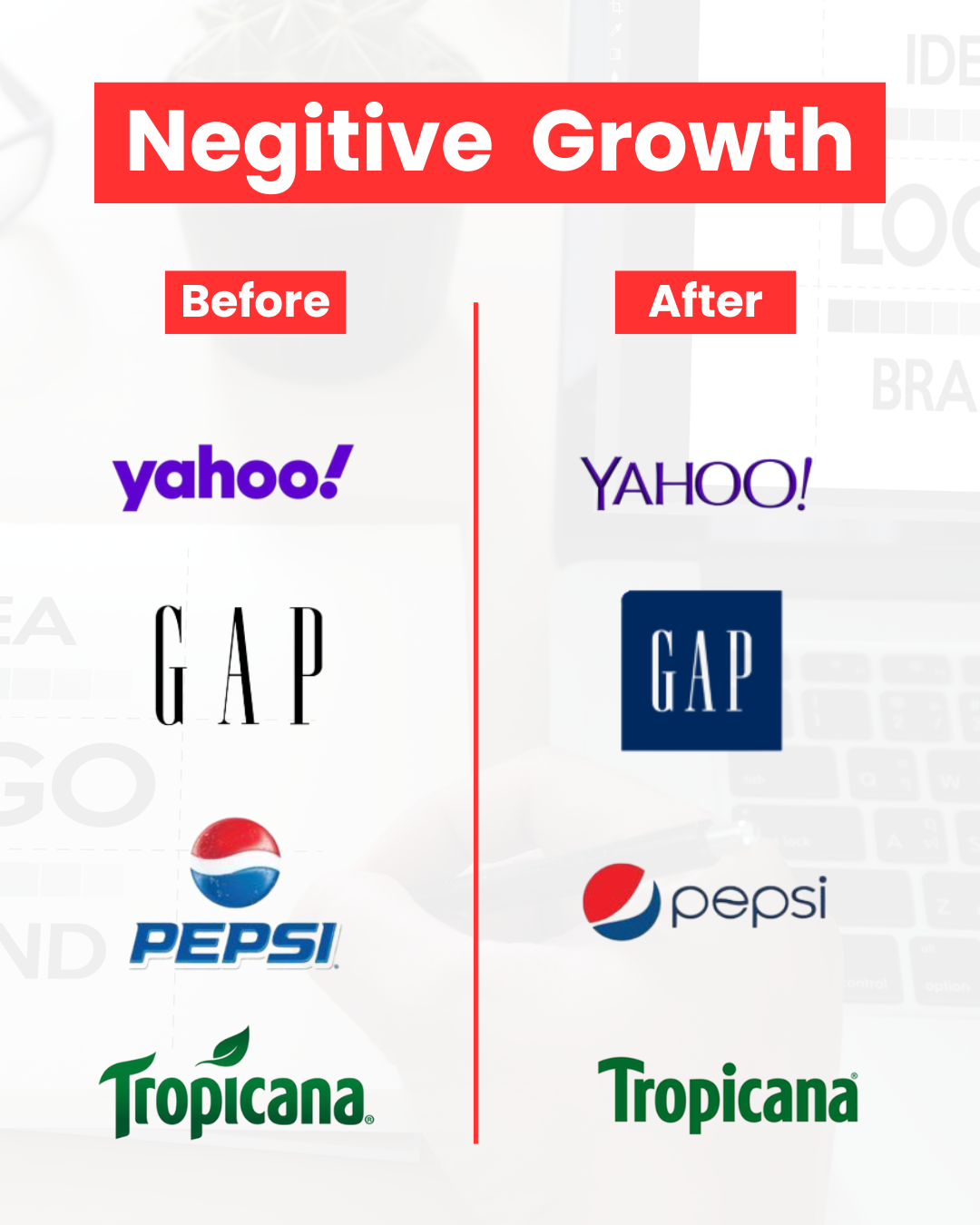
Check how your logo is
silently impacting your business.
It’s not just a design — it’s a vibration.
And if that vibration is off…
You’ll feel it in your sales, your team, your growth, and your peace of mind.
No matter how hard you work, how smart your strategy is, or how much you invest
If your logo is sending the wrong signal, everything stays stuck.

Disconnected Energy:
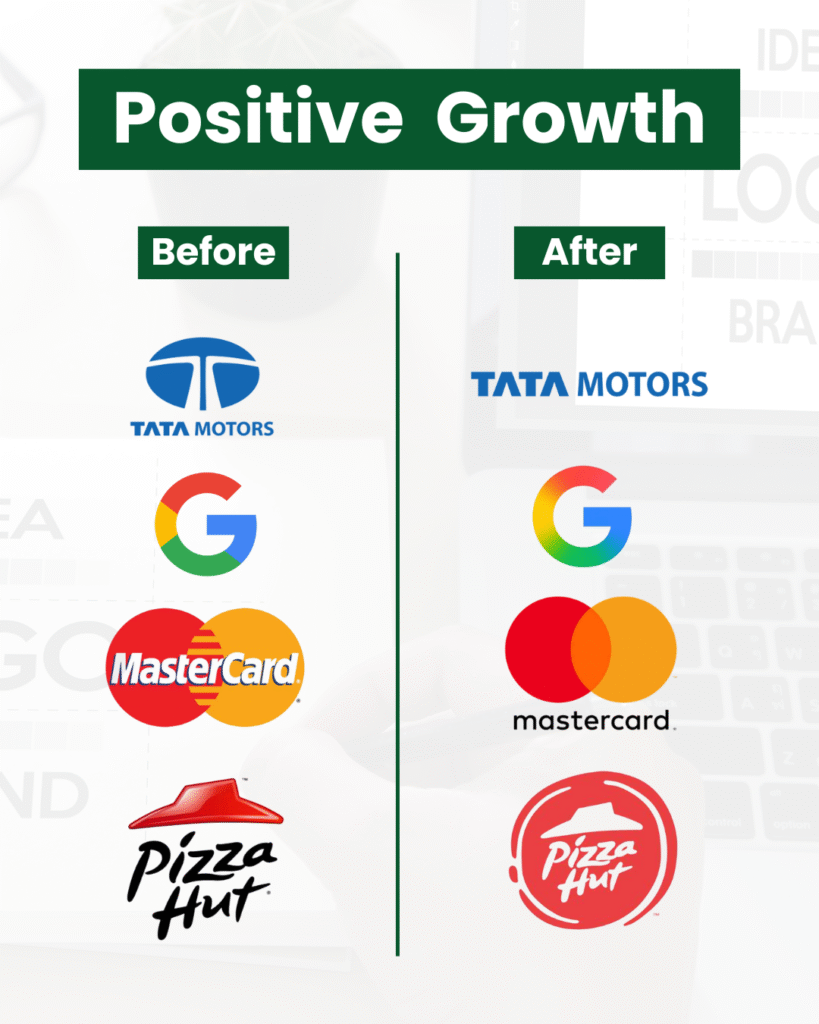
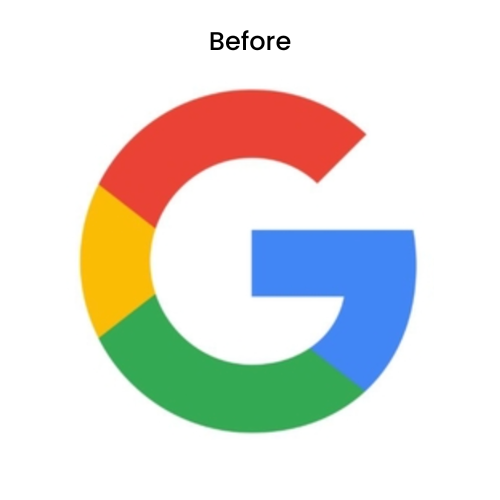
No Internal Integration Google’s products are Designed in silos – Gmail, Drive, YouTube, Maps, Calendar – all operate independently.
There’s: No deep energetic or visual linkage between them. The colors are not blended, which reinforces a lack of synergy. This design reflects a business model that offers many tools but lacks cross-product cohesion from the user’s subconscious perception.
Connected Energy: Internal Integration with AI
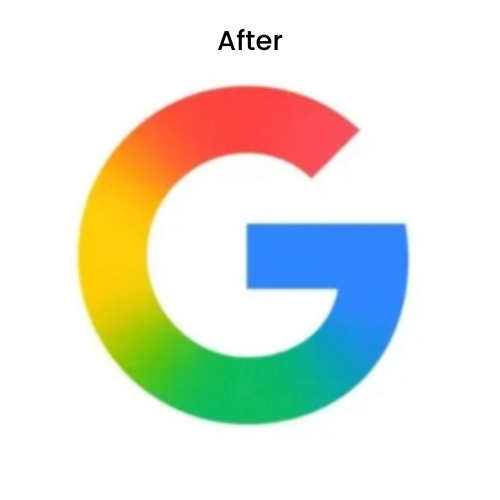
Unlike past versions, this logo shows blended transitions between red, yellow, green, and blue.
There’s:
Gradient: Reflects evolving intelligence — just like generative AI progression.
Logo reflects a modular AI brain where every part contributes to growth.
Google’s new logo shows that modern AI is now connected, flowing, and aligned — not isolated.
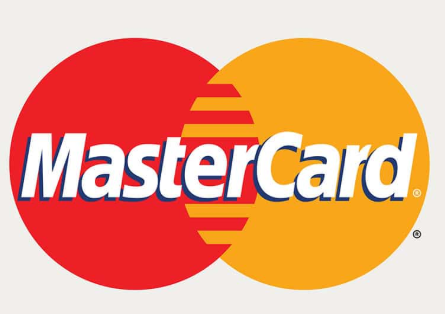
Logo had overlapping red and yellow circles with bold text across the center.
Visual felt cluttered and outdated for a digital-first world.
Brand identity tied heavily to physical credit cards.
Perception: old-school, transactional, limited flexibility.
Energetically, the overlap of elements created identity confusion — signaling friction, not flow.
Simplified two-circle symbol: clean, minimal, iconic.
Dropped the name from the logo — bold move showing confidence and brand maturity.
Shifted identity from a “credit card company” to a tech-driven global payment ecosystem.
Energetically, the new logo vibrates with clarity, trust, and universal access.
Increased trust, stronger digital presence, and better resonance with Gen Z and fintech audiences.
Outdated design symbolizing the past.
Brand perception: traditional, reliable, but not innovative.
Sales growth was steady but lacked spark.
Limited emotional resonance with the younger generation.
Global expansion was slow, brand energy felt “stuck.”